
Help With Pre-Orgasmia


Pre-Orgasmia (a/k/a anorgasmia)
Definition of Pre-Orgasmia:
A persistent lack of orgasm when it is expected.
Prevalence of Pre-Orgasmia:
10 million to 25 million
*Estimates on the prevalence of preorgasmia vary widely, and are almost completely a function of definition. When evaluating your own situation, remember that unrealistic expectations can shape your perception of the seriousness of your difficulty. If you feel you have a problem, talk with your partner(s). An evaluation by a physician, psychologist, or therapist may also be helpful.
Background of Pre-Orgasmia:
The year 1972 was the beginning of the end for the word "frigid." That's the year that Dr. Lonnie Barbach published For Yourself: The Fulfillment of Female Sexuality. The book and her workshops popularized the term "preorgasmic," which revolutionized the way therapists and others viewed women who were not climaxing with their partners. The next key date was 1976, when sociologist Shere Hite published The Hite Report on Female Sexuality, which documented that most American women who did have orgasms were having them from clitoral, rather than vaginal, stimulation. In other words, they were usually not achieving orgasm from intercourse.
These two events explain how female masturbation and female orgasm both burst into popular consciousness in the '70s. It finally became common for women who had trouble climaxing to be asked, or to ask themselves, "Are you getting the stimulation you need?" Just as importantly, such women were discouraged from thinking of themselves as defective, and encouraged to see themselves as simply needing education: "You can't come with a partner because you haven't learned how." Whether in a clinical setting or informally at home, masturbation became the obvious treatment for "preorgasmia." And for lots of women, it worked. It still works.
Symptoms and Diagnosis of Pre-Orgasmia:
Women's orgasm problems have many sources:
Inadequate stimulation: Many women still believe they should come from intercourse alone, or from only a moment's stimulation of the clitoris. Bad prior experiences: Some women have been badly hurt as children or adults, leading them to mistrust men, sexuality, or themselves.
Performance anxiety: Some women are so desperate to climax -- to feel adequate, to validate their mates, or to simply get the whole thing over with -- that they pressure themselves beyond the relaxation and self-acceptance that orgasm requires.
Bad relationship: Mistrust, resentment, unpredictability, and violence are all obstacles to an emotional environment that encourages openness and eroticism.
Inhibition, or lack of presence: Emotions like guilt, shame, embarrassment, confusion, and self-hatred undermine both emotional and physical response to any sexual stimulation.
Medication: Many classes of prescription drugs can inhibit orgasm, including antidepressants, antihypertensives, ulcer medication, and birth control pills.
Treatment for Pre-Orgasmia
With this kind of understanding, millions of previously anorgasmic women have become orgasmic--whether on their own, with a therapist, or in groups. Professionals and lay people alike now understand that women who can't come aren't broken -- they just need to uncover the causes, whether medical, psychological or relational.
In fact, we now understand the wide range of women's orgasm better than ever. Clearly, there are great differences in how much stimulation a woman needs in order to climax, just as every woman has her unique patterns of respiration, digestion, and so on. In fact, various women climax from vaginal, anal, and nipple stimulation, and even through fantasy alone, in addition to clitoral stimulation. No single pattern is preferable or "normal" -- they are all just part of the glorious terrain of female sexuality.
*Marty Klein has been a licensed Marriage and Family Therapist and sex therapist for over 20 years. His entire career has been aimed at a single set of goals: telling the truth about sexuality, helping people feel sexually normal and powerful, and supporting the healthy sexual expression and exploration of women and men.
-
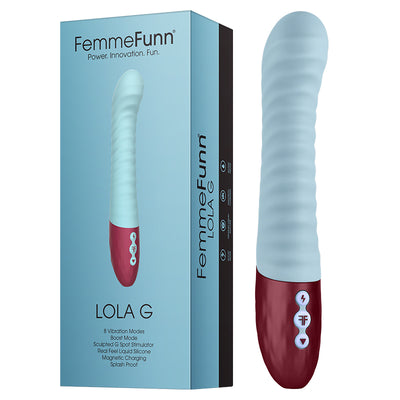 FemmeFunn's Lola G - Premium G-Spot Vibrator
76384
FemmeFunn's Lola G - Premium G-Spot Vibrator
76384
$107.99$76.99 You save 29% -
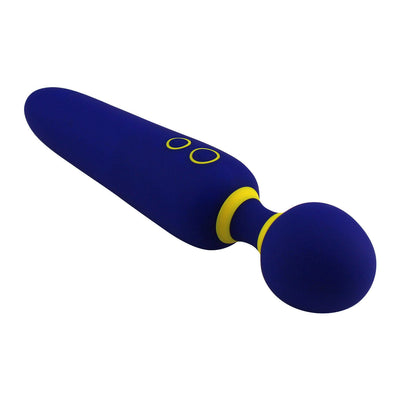 Flip Vibrator - A Small, Powerful Wand
74850
The Flip Vibrator is a powerful silicone wand vibrator with a beautiful color. We love it because it's quiet, waterproof and oh-so strong!
Flip Vibrator - A Small, Powerful Wand
74850
The Flip Vibrator is a powerful silicone wand vibrator with a beautiful color. We love it because it's quiet, waterproof and oh-so strong!
$89.99$44.99 You save 50% -
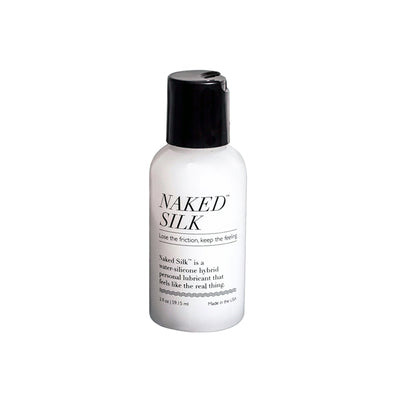 Naked Silk Is Our Favorite Lubricant - 2 oz.
86354
Naked Silk Is Our Favorite Lubricant - 2 oz.
86354
$13.99$9.99 You save 29% -
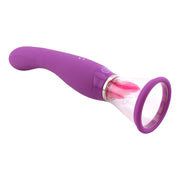
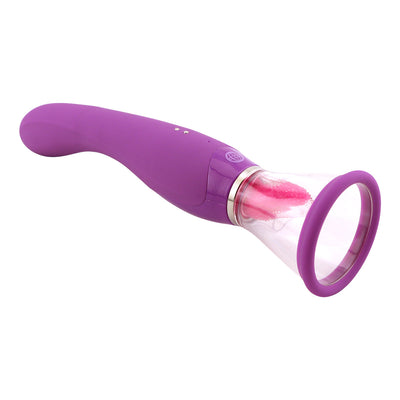 Unparalleled Pleasure Machine - Clit Sucker and Vibrator
69792
Unparalleled Pleasure Machine - Clit Sucker and Vibrator
69792
$169.99$99.99 You save 41% -
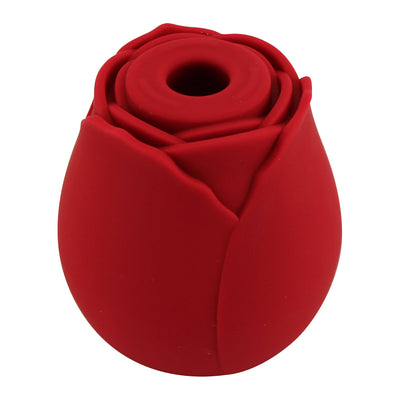 The Rose Clit Sucker
89301
The Rose Clit Sucker
89301
$69.99$34.99 You save 50% -
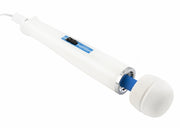
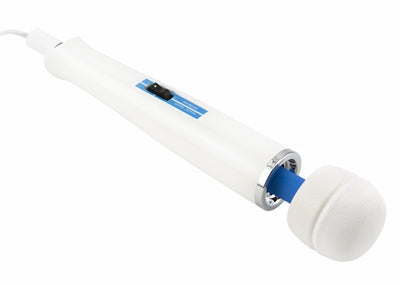 The Magic Wand
53906
The plug-in vibrator known as the Magic Wand. This vibrator is ultra-powerful, strong and reliable.
The Magic Wand
53906
The plug-in vibrator known as the Magic Wand. This vibrator is ultra-powerful, strong and reliable.
$94.99$69.99 You save 26% -
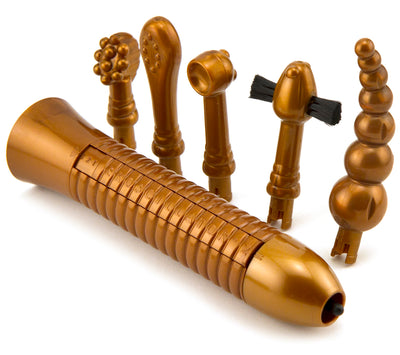 Eroscillator 2 Top Deluxe
A00325
The Eroscillator is one of the best clitoral sex toys out there. We strongly recommend this sex toy to any women who has difficulty climaxing or who hasn't had an orgasm before.
Eroscillator 2 Top Deluxe
A00325
The Eroscillator is one of the best clitoral sex toys out there. We strongly recommend this sex toy to any women who has difficulty climaxing or who hasn't had an orgasm before.
$299.99$249.99 You save 17% -
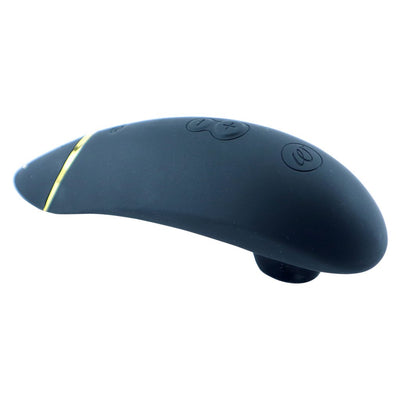 The Womanizer Premium - Dark Blue
73547
The Womanizer Premium somehow makes the world-famous Womanizer even better by adding some awesome new functions and features!
The Womanizer Premium - Dark Blue
73547
The Womanizer Premium somehow makes the world-famous Womanizer even better by adding some awesome new functions and features!
$259.99$189.99 You save 27% -
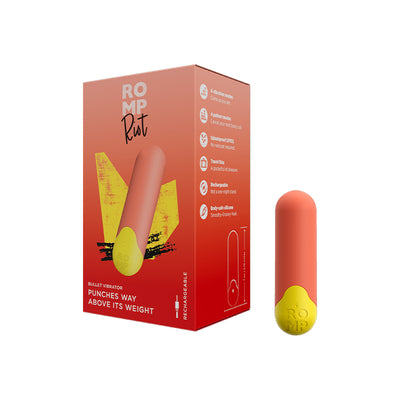 ROMP Riot - A High Quality Rechargeable Bullet Vibrator
84141
ROMP Riot - A High Quality Rechargeable Bullet Vibrator
84141
$27.99$19.99 You save 29% -
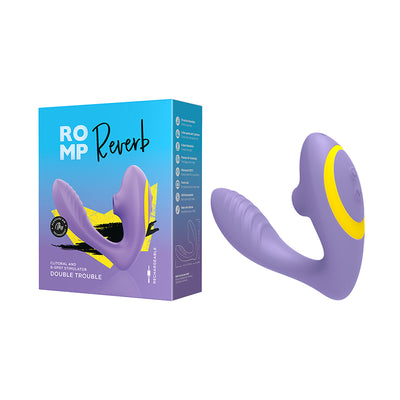 ROMP Reverbe - We Suggest This Over The Tracy's Dog Vibrator
86211
ROMP Reverbe - We Suggest This Over The Tracy's Dog Vibrator
86211
$81.99$57.99 You save 29% -
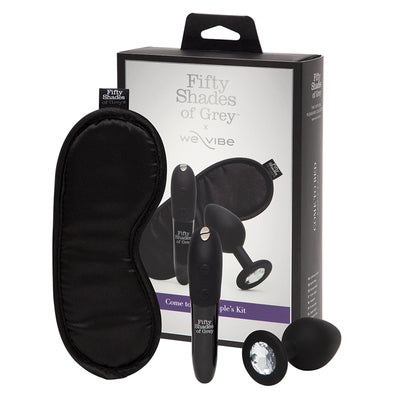 Fifty Shade - The We-Vibe Come To Bed Kit
85504
Fifty Shade - The We-Vibe Come To Bed Kit
85504
$92.99$65.99 You save 29% -
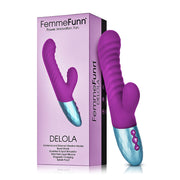
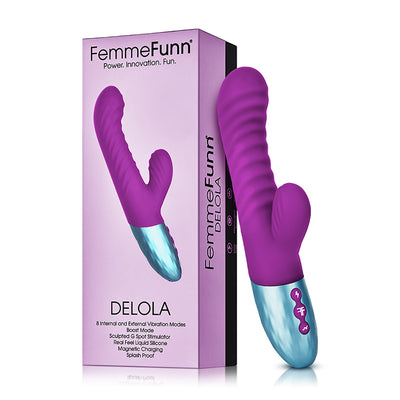 FemmeFunn's Delola Dual Stimulating G-Spot Vibe
75697
FemmeFunn's Delola Dual Stimulating G-Spot Vibe
75697
$117.99$83.99 You save 29%























